
倫敦寒夜暖心時光:《破.地獄》中的生命頓悟與冬日浪漫
A Winter’s Reflection in London: Life’s Realisations in The Last Dance Amid the Romance of Snow


大雪未至,微雪以慰心
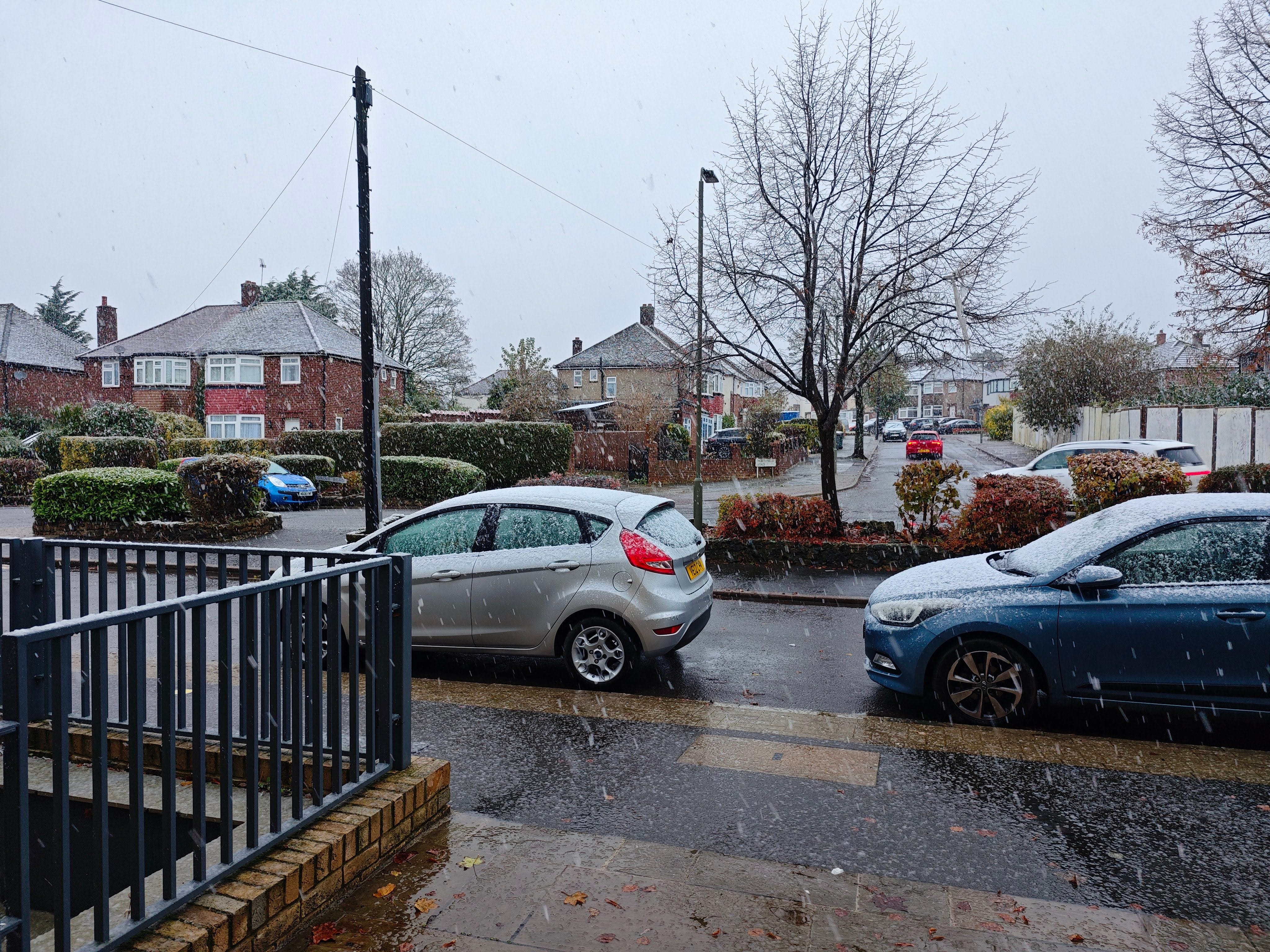
19日晚,還在猜想今年倫敦是否會下雪,誰知翌日清晨醒來,窗外竟飄起雨夾初雪,彷彿在不經意間迎來冬日的一抹浪漫。雖然雪未積成皚皚白地,但這突如其來的雪花已教人心生欣喜。雪的柔美總是讓人感慨生命中的小確幸,正如我在上文說過:
「無論雪下與否,冬日的浪漫就在於我們與身邊人一同經歷的那些點滴時光。」
於是,21號晚冒著零下的寒風,我與妻女一同驅車到Haymarket的Odeon戲院,觀賞近期被熱烈討論的港產電影《破.地獄》。
殯儀業題材背後的生命探索
《破.地獄》由黃子華和許冠文主演,帶領觀眾進入香港殯儀業的鮮少曝光的一面。故事講述原為婚禮策劃師的魏道生,因疫情生意衰退,被迫轉行成為殯儀經紀人。他與傳統喃嘸師傅郭文搭檔,兩人一邊在行業中碰撞理念,一邊直面家族與傳統的掙扎,特別是父權觀念對子女的影響。
電影巧妙地以「破地獄」這一宗教儀式隱喻人生的掙扎與釋然:既是為亡者超渡的過程,也是活人解開心鎖的契機。其中一句金句點出主題:
「活人也需要破地獄的,活人也有很多地獄。」
在生者常困於心中囚牢,或為過去的遺憾,或為現實的壓力。殯儀館的紅磡背景,更成為人生縮影,處處矛盾交錯:紅磡殯儀館夜夜超渡亡魂,紅館卻歌舞昇平;旁邊是紅隧車水馬龍、理工大學孕育新血,生與死在這片土地上並存。
動人時刻:面對死亡的多面向
電影有兩個片段令我印象深刻。其一是甄茵(韋羅莎飾)面對摯愛兒子的離世時,不肯接受現實,甚至不願將遺體入棺火化,而選擇以真空防腐方式保存兒子的遺體,將其安放於義莊內。這段情節充滿了揪心的絕望與深沉的母愛,表現出她對兒子離世的抗拒與無法割捨的悲痛。義莊的出現讓我聯想到香港開埠初期,義莊在華人社會中不僅是安置先人的場所,更是一種文化與實際功能的融合——承載著為異鄉人提供善終之地的重要角色。他日,我希望能另行撰文,探索這些義莊在香港歷史中的獨特地位及其對當時華人社會的深遠影響。
白居易的詩與生命的頓悟
另一個動人時刻是影片近尾聲引用了白居易《自覺二首》中的詩句:
「置心為止水,視身如浮雲。抖擻垢穢衣,度脫生死輪。」
這些文字深深觸動了我的內心。它不僅揭示了人生無常的哲理,更提醒我們應以坦然之心面對生命中的生離死別。詩中那份放下執念、從容釋懷的智慧,宛如一盞明燈,指引著活人如何突破困境、超越自我。白居易的詩詞一向以淺白而深邃見稱,這首詩更能引發對生命和死亡的反思。我也因此心生感慨,希望能另行撰文,介紹白居易的生平背景,並深入探討這首詩的思想內涵與時代意義。


冬日倫敦的夜色與希望
看完電影,走出戲院,倫敦街頭的聖誕燈飾已點亮,街上熙來攘往,寒風裡流動著節日的暖意。回想2022年的聖誕,全家都因病而少了氣氛;2023年又返回香港度過。希望今年的聖誕能在倫敦探索更多市集,感受節慶的多元氛圍。
這些日子裡,即便雪花稀疏、寒風凜冽,與家人共度的每一刻都讓我明白了冬日的浪漫不是來自大雪紛飛,而是源於與摯愛同行的那些平凡時光。正如《破.地獄》啟示的:
「人生的地獄或許無法避免,但我們可以選擇如何去面對,去破它。」
On the evening of the 19th, while speculating whether snow would grace London this year, I woke the next morning to a light mix of rain and the season’s first snowflakes. Although it didn’t settle into a blanket of white, the sudden snowfall brought a touch of winter romance, reminding me of a thought I’d shared earlier:
“Snow or not, the magic of winter lies in the simple moments we share with loved ones.”
With this sentiment in mind, I braved sub-zero winds on the 21st with my wife and daughter to Haymarket’s Odeon Cinema to watch The Last Dance, a Hong Kong film generating much buzz.
The Last Dance: A Journey Through Life and Death
Starring Dayo Wong and Michael Hui, The Last Dance unveils the little-seen world of Hong Kong’s funeral industry. It tells the story of Dominic Ngai, a wedding planner whose business plummets during the pandemic, forcing him into a new role as a funeral director. Partnering with a traditional Taoist funeral master, Master "Hello" Man, the duo navigate the cultural and generational tensions of the trade while grappling with familial struggles—particularly the lingering effects of patriarchal values.
The title itself, referencing the Taoist ritual of “breaking the hells,” serves as both a metaphor and a thematic anchor. The ritual symbolises the redemption of the dead, but the film suggests that the living, too, carry their own personal hells, borne of regrets and the burdens of the present. A poignant line summarises this duality:
“The living need to break through their hells as well.”
The setting of Hong Kong’s Hung Hom district underscores this intersection of life and death: the nearby funeral homes perform nightly rituals for the deceased, while the adjacent Coliseum hosts jubilant concerts, and the Polytechnic University nurtures future generations—a vivid juxtaposition of existence’s contradictions.
Moments That Resonate
Two scenes stood out to me. The first involved Miss Yan (played by Rosa Maria Velasco), who refuses to let go of her beloved son after his untimely death. Rejecting cremation, she opts to preserve his body in a vacuum-sealed casket at a public mortuary. The grief and undying love portrayed in this scene are deeply moving, reflecting a mother’s refusal to part with her child. The depiction of the mortuary reminded me of the historical role of public mortuaries in early colonial Hong Kong, where they served as resting places for Chinese migrants. These institutions not only fulfilled practical needs but also embodied cultural values around death and belonging—a topic I hope to explore in depth in a future article.
The second moment of profound impact came towards the film’s conclusion, where a verse from Bai Juyi’s Two Poems on Self-Awareness is recited:
"Place your heart as still water; see your body as passing clouds. Shake off the clothes of filth, transcend the cycle of life and death."
These lines struck a deep chord, encapsulating the impermanence of life and urging us to confront loss with equanimity. Bai Juyi’s ability to convey profound truths in simple language has long been celebrated, and this poem exemplifies his unique blend of clarity and depth. It inspired me to reflect further on Bai Juyi’s life and his poetic philosophy, which I hope to delve into in a dedicated piece.
The Warmth of a London Winter
Exiting the cinema, we found the streets of London aglow with Christmas lights. Despite the chill in the air, the festive decorations and the bustling crowd exuded a warmth that cut through the cold. I thought back to the Christmas of 2022, when illness dampened our celebrations, and the following year, when we returned to Hong Kong. This year, I’m eager to explore more of London’s Christmas markets and soak in the multicultural vibrancy of the season.
Whether amidst sparse snowflakes or biting winds, these days have taught me that winter’s romance doesn’t come solely from snowfall but from the moments shared with loved ones. As The Last Dance so eloquently reminds us:
"Life’s hells may be unavoidable, but we can choose how to face them—and how to break free."