
穿越時空的街頭密語:倫敦藍色牌匾背後的奇人奇事
Whispers Across Time: The Fascinating Figures Behind London’s Blue Plaques

走在倫敦的街頭,你或許會注意到在一些建築物上掛著圓圓的藍色小牌。這些「藍色牌匾」不是裝飾品,而是英國特有的歷史標誌。每一塊藍牌都記載著一段倫敦往事,標記著某位歷史名人曾在此居住、工作或創作。從詩人到科學家、從政治家到演員,這些藍牌彷彿時空的線索,引領我們窺探這座城市的隱秘故事。
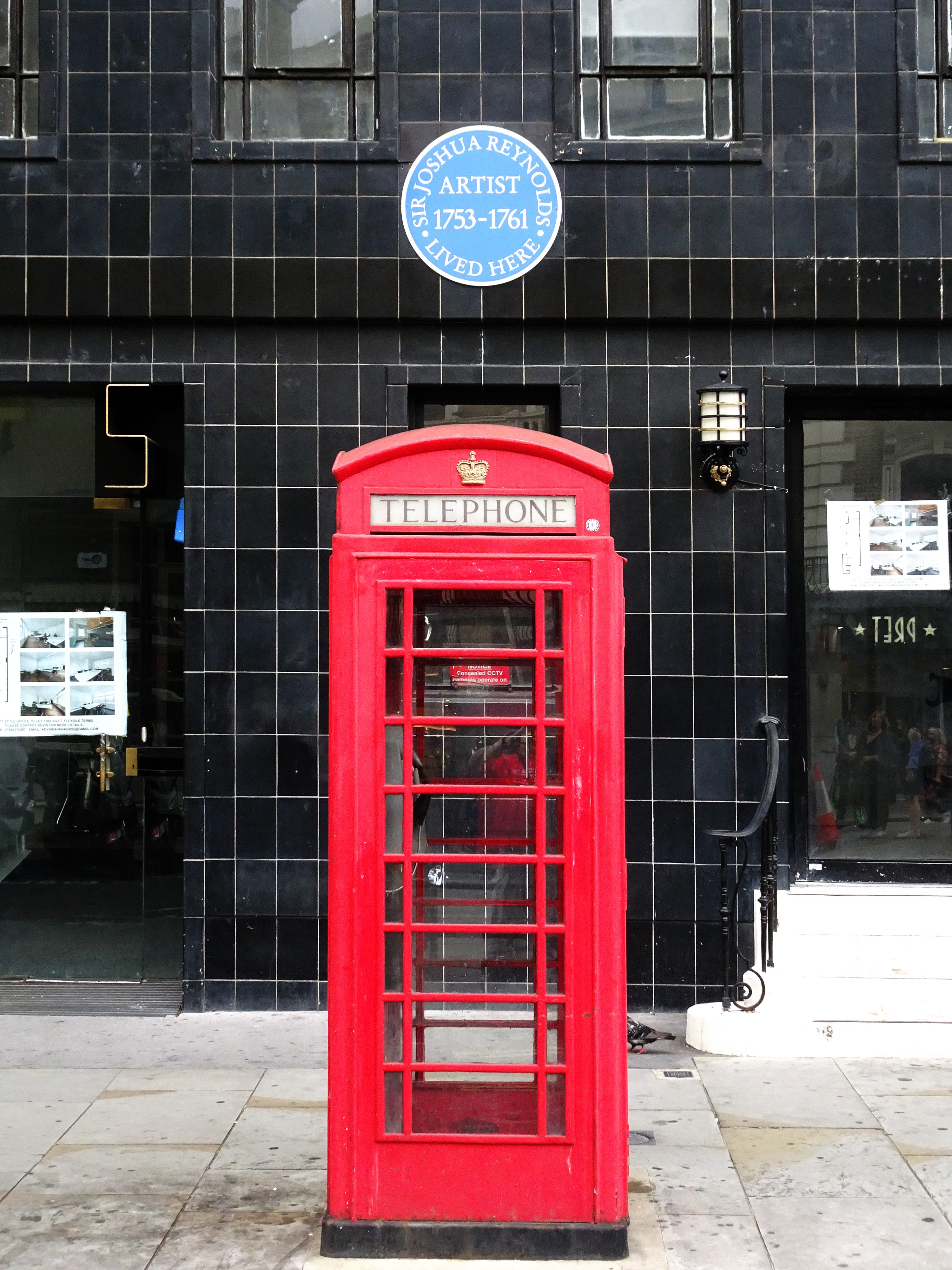
藍色牌匾的起源與發展
藍色牌匾的發展歷史經過多個階段,每一時期都賦予其不同的意義與標準。以下按時間段介紹倫敦藍牌的歷史演變:
1. 1863-1867年:構想與早期設立
1863年:英國國會議員威廉·尤厄特(William Ewart)向下議院提出設立紀念牌的建議,以紀念對社會有貢獻的歷史人物。
1866年:藝術學會(Society of Arts,後來的皇家藝術學會)接手這一構想,開始規劃紀念牌的設置。
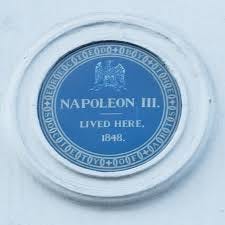
1867年:第一批紀念牌設立,紀念詩人拜倫勳爵(Lord Byron)和法國皇帝拿破崙三世(Napoleon III)。拜倫的牌匾設於其出生地霍利斯街(Holles Street)24號,但此建築於1889年被拆除,使得拿破崙三世的牌匾成為現存最早的紀念牌。
2. 1901-1930年:倫敦郡議會時期,藍色成為標準
1901年:倫敦郡議會(London County Council, LCC)正式接手藍牌計劃,並將藍色確立為標準顏色。
1900-1930年:LCC設立大量紀念英國歷史文化名人的藍牌,涵蓋文學家、科學家和政治家等領域,例如莎士比亞(William Shakespeare)和約翰·濟慈(John Keats),為藍牌系統奠定了基礎,使其成為倫敦街頭的特色標誌。
3. 1930-1986年:藍牌系統的擴展與完善
1930年代-1965年:隨著倫敦郡議會職責範圍的擴大,藍牌逐漸從倫敦核心區擴展至大倫敦地區,更多名人被納入藍牌系統。
1965-1986年:倫敦郡議會被廢除後,藍牌管理轉交至大倫敦議會(Greater London Council, GLC)。GLC時期紀念範疇進一步拓展,涵蓋更多國際知名人物,並引入更嚴格的審核流程。
4. 1986年至今:英格蘭遺產委員會管理,藍牌的現代化發展
1986年:英格蘭遺產委員會(English Heritage)接管藍牌系統,將其發展為一個國家認可的歷史紀念標誌。如今,藍牌的設置標準嚴謹,候選人物需去世至少20年,且在其領域中卓越出眾,得到公眾認可。
新興領域:為反映現代多元文化,藍牌系統逐漸納入影視、社會運動等領域的代表人物。2022年,最新藍牌紀念了20世紀英國電影明星瑪格麗特·洛克伍德(Margaret Lockwood),顯示出藍牌選擇上的多元化。
藍色牌匾的製作過程
藍色牌匾的製作是一門傳統工藝,每一步都需要精湛技術。藍牌由陶瓷製成,經過精密設計和高溫燒製,確保其耐用性和標誌性的藍色不會褪色。具體過程如下:
設計與排版:每塊藍牌的字體、內容和字距經過設計,以保證清晰易讀,文字通常包括名人姓名、職業及在該地生活的年份。
選擇和混合顏料:採用特製的藍色釉料,以確保其能經受倫敦氣候並保持色澤。
手工製作陶瓷模具:藍牌的基底由手工模具製作,確保每塊牌匾形狀一致。
手工雕刻文字:每塊牌匾上的文字由工匠雕刻,使其字跡清晰深刻,適合上釉後的視覺效果。
施釉與燒製:牌匾上釉後經高溫燒製,使藍色與白色字體牢固融合,光澤與耐久性兼備。
檢查與安裝:經檢查後,牌匾由專業團隊選擇建築的最佳位置安裝,通常放在行人可見的地方。
倫敦的「最XX」藍牌
藍色牌匾種類繁多,每塊牌匾都講述著不同的歷史故事,其中一些藍牌尤其具代表性,因其獨特的背景或地點而成為倫敦藍牌界的「最XX」典範。
最古老的現存藍牌
紀念拿破崙三世(Napoleon III)的藍牌是現存最古老的藍牌之一,設立於1867年,位於倫敦西敏市(Westminster)的國王街(King Street)。拿破崙三世(1808–1873)是法國的最後一位皇帝,拿破崙一世的侄子。他在政變後成為法國總統,後來即位為皇帝。1870年因普法戰爭的失敗而退位並流亡英國,在此度過了餘生。這塊藍牌標記了他在倫敦的流亡生活,見證了歐洲歷史的變遷。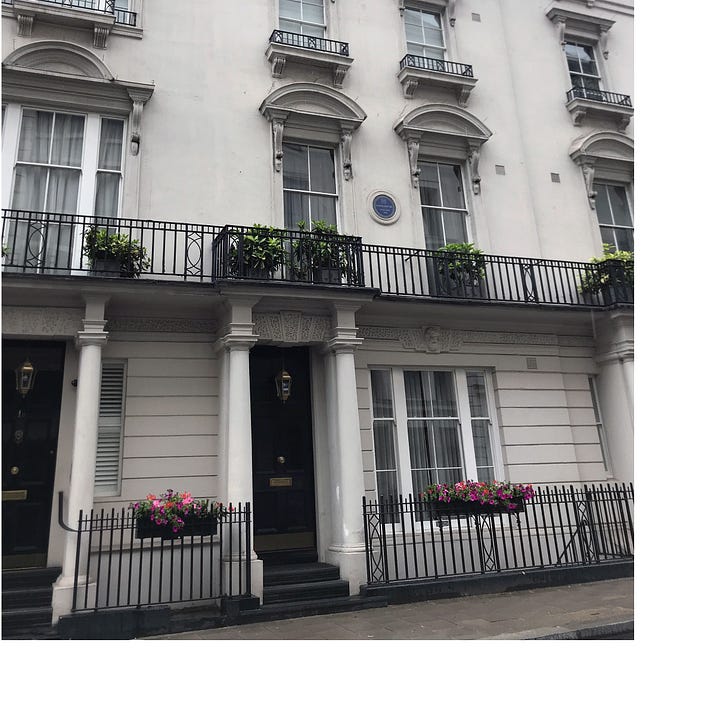
最具爭議的藍牌
位於南肯辛頓(South Kensington)的兩塊藍牌,分別紀念邱吉爾(Winston Churchill)和甘地(Mahatma Gandhi),象徵著歷史中不同立場的交鋒。邱吉爾(1874–1965)是英國的首相,以在二戰中領導英國抵抗納粹聞名,被視為英國的民族英雄。而甘地(1869–1948)是印度的非暴力獨立運動領袖,堅持用和平手段爭取印度脫離英國的殖民統治。兩人對英國與印度的歷史都產生了巨大影響,但政治立場對立,這對藍牌也象徵著他們之間的歷史張力。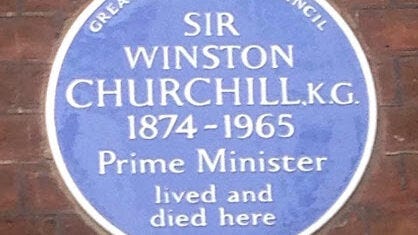
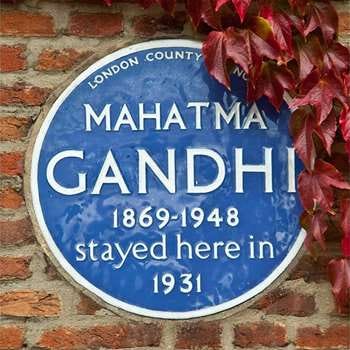
Blue Plaque: Sir Winston Churchill 28 Hyde Park Gate, South Kensington, London SW7 5DJ
Blue Plaque: Mahatma Gandhi 20 Baron's Ct Rd, London W14 9DT
最冷門的藍牌
位於坎登區(Camden)的一塊藍牌紀念了一位法國「雨傘修理工人」(French Umbrella Repairman)。這名工匠的身份不如科學家、政治家般顯赫,但雨傘修理業在19世紀的倫敦非常重要。當時的雨傘被視為貴重物品,通常經常維修而不是更換。這塊藍牌特別紀念了這位普通工匠及其行業,提醒人們重視那些默默維持城市運行的小人物。
最具「網紅氣質」的藍牌
莫扎特(Wolfgang Amadeus Mozart)的藍牌位於倫敦市中心,靠近牛津街(Oxford Street)。莫扎特(1756–1791)是奧地利的音樂神童及作曲家,被認為是西方音樂史上最偉大的音樂家之一。他在1764年隨父親訪英時年僅8歲,藍牌標示了他當時居住的住所。這塊藍牌位於繁華區,因此成為來自世界各地的遊客熱衷的拍照打卡地點。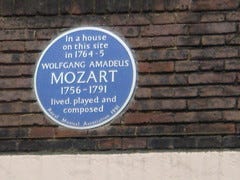
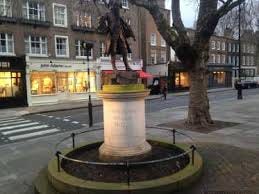
Blue Plaque: Wolfgang Amadeus Mozart 180 Ebury St, London SW1W 8UP


這些藍牌分佈在倫敦的不同區域,從熱鬧的牛津街到安靜的特威肯納姆,每一塊牌匾都是一段故事、一段時代的縮影。下一次在這些地點經過時,別忘了駐足一會,細細感受藍牌背後的歷史魅力。
As you wander the streets of London, you might notice small, circular blue plaques on various buildings. These plaques are not merely decorative but rather unique historical markers of Britain. Each plaque tells a tale from London’s past, marking locations where notable figures once lived, worked, or created. From poets to scientists, politicians to actors, these blue plaques act as windows into the hidden stories of the city.
Origins and Evolution of the Blue Plaque Scheme
The history of blue plaques in London reflects changes in purpose and standards over time. Here’s a timeline of the scheme’s development:
1863-1867: Early Concepts and Initial Plaques
In 1863, MP William Ewart proposed to Parliament that plaques be created to commemorate significant historical figures who contributed to society.
In 1866, the Society of Arts (later the Royal Society of Arts) took over the idea and began planning the installation of commemorative plaques.
The first plaques were erected in 1867, celebrating Lord Byron and Napoleon III. Although Byron’s plaque was later lost when his birthplace was demolished, Napoleon III’s plaque remains one of the earliest surviving markers.
1901-1930: Establishing Blue as the Standard Colour
In 1901, the London County Council (LCC) formally adopted the scheme and established blue as the standard colour for these plaques.
Throughout this period, the LCC installed many plaques commemorating figures from literature, science, and politics, such as William Shakespeare and John Keats, firmly establishing blue plaques as a feature of London’s streets.
1930-1986: Expanding the Scheme
From the 1930s to 1965, the LCC extended the reach of the scheme to the Greater London area.
After the LCC was dissolved in 1965, the Greater London Council (GLC) took over, broadening the range of honorees to include internationally renowned individuals and instituting stricter standards for selection.
1986 to Present: Modernisation by English Heritage
In 1986, English Heritage assumed control of the scheme, making it a nationally recognised historical marker. Today, the selection criteria are rigorous: nominees must have been deceased for at least 20 years and be widely acknowledged as exceptional in their field.
Recent developments have expanded the range of honourees to reflect contemporary diversity, such as the plaque for 20th-century British film star Margaret Lockwood in 2022, marking a step towards greater representation in the blue plaque system.
The Making of a Blue Plaque
Crafting blue plaques is a traditional art, involving careful skill at each stage. Each plaque is made of ceramic and goes through meticulous design and firing processes to ensure durability and its iconic colour. Here’s a summary of the process:
Design and Layout: The text, often including the honouree’s name, profession, and years of residence, is carefully designed for legibility.
Colour Mixing: A specialised blue glaze is prepared to withstand London’s climate.
Hand-Crafted Ceramic Mould: The base of each plaque is hand-moulded for uniformity.
Text Engraving: Artisans carve the text deeply to achieve clarity after glazing.
Glazing and Firing: After glazing, the plaque is fired at high temperatures, bonding the blue and white details.
Inspection and Installation: Each plaque is inspected before being installed at a prominent spot, ensuring it’s visible to passers-by.
Notable Blue Plaques Across London
Each plaque tells a different historical story, and some stand out due to their unique background or location.
1. The Oldest Surviving Blue Plaque
One of the oldest surviving blue plaques commemorates Napoleon III, located on King Street in Westminster. Installed in 1867, this plaque marks the London residence of Napoleon III (1808–1873), France's last emperor and nephew of Napoleon I. After leading a coup and establishing himself as President of France, he later crowned himself emperor. However, following the defeat in the Franco-Prussian War, he abdicated in 1870 and spent the rest of his life in exile in the UK. This blue plaque serves as a reminder of his years in exile and stands as a witness to the sweeping changes in European history.
2. The Most Controversial Plaques
In South Kensington, two blue plaques commemorate figures with starkly opposing legacies: Winston Churchill and Mahatma Gandhi. Churchill (1874–1965), British Prime Minister and widely celebrated for his leadership during WWII, is considered a national hero in the UK. In contrast, Gandhi (1869–1948), the leader of India’s nonviolent independence movement, advocated for India’s freedom from British colonial rule through peaceful resistance. Although they had a profound impact on the histories of Britain and India, their political stances were fundamentally opposed. These two plaques symbolise the historical tension and dialogue between their ideologies.
3. The Most “Unremarkable” Plaque
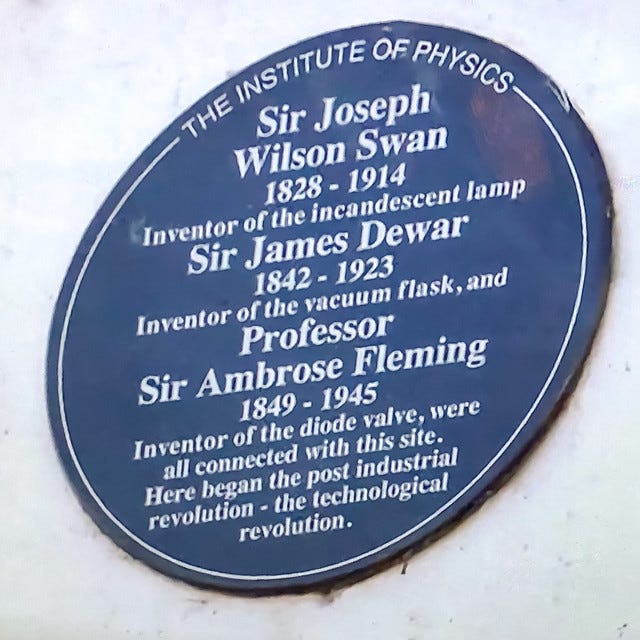
In Chelsea, London, a blue plaque commemorates the “Father of the Thermos,” James Dewar. Dewar (1842–1923) was a Scottish physicist who invented the double-walled vacuum flask, known as the “Dewar flask,” which laid the foundation for modern insulated bottles. His plaque not only honours his scientific contributions but also symbolises the everyday convenience we take for granted, from thermoses to cold storage containers, all of which benefit from his invention. Dewar’s plaque in Chelsea offers a fascinating visit for fans of lesser-known plaques, celebrating a “remarkably unremarkable” impact on daily life.
4. The Most “Instagrammable” Plaque
A blue plaque commemorating Wolfgang Amadeus Mozart can be found in central London, near Oxford Street. Mozart (1756–1791), an Austrian prodigy and composer, is considered one of the greatest musicians in Western history. The plaque marks the address where he stayed during his visit to England in 1764 at the age of just eight. Located in a bustling area, this plaque has become a popular site for tourists from around the world to take photos.
Spread across various London neighbourhoods, from bustling Oxford Street to quiet Twickenham, each blue plaque is a snapshot of history and an invitation to explore the city’s cultural heritage. Next time you pass by one, pause to appreciate the history it represents and the stories that bring London’s past to life.