
光勝過黑暗:在查理三世演說中,看見歷史、信仰與盼望
Light Overcomes Darkness: History, Faith, and Hope in King Charles III’s Speech

來到倫敦之後,我慢慢發現,這裡的歷史並不只是書本上的年份和事件,而是藏在街角、河岸、教堂鐘聲,甚至日常對話之中。
有時走在泰晤士河邊,望著那些古老建築,會忽然覺得:我腳下所踏的,不只是一座城市,而是一層又一層的時間。
前一天從新聞上得悉英王查理三世在美國國會聯席會議上發表演說,再聽才子陶傑在網上的分析,知道那必是一篇文采斐然、意蘊悠長的講辭,便借助AI的協助,讓自己理解得更透徹,順道跟同好者分享。
一個英式笑話,打開歷史的大門
查理三世一開始並沒有急著講大國關係,而是先引用英國大作家奧斯卡・王爾德 (Oscar Wilde) 的幽默:
“We have really everything in common with America nowadays except, of course, language!”
「我們如今和美國幾乎一切都相同,當然,除了語言。」
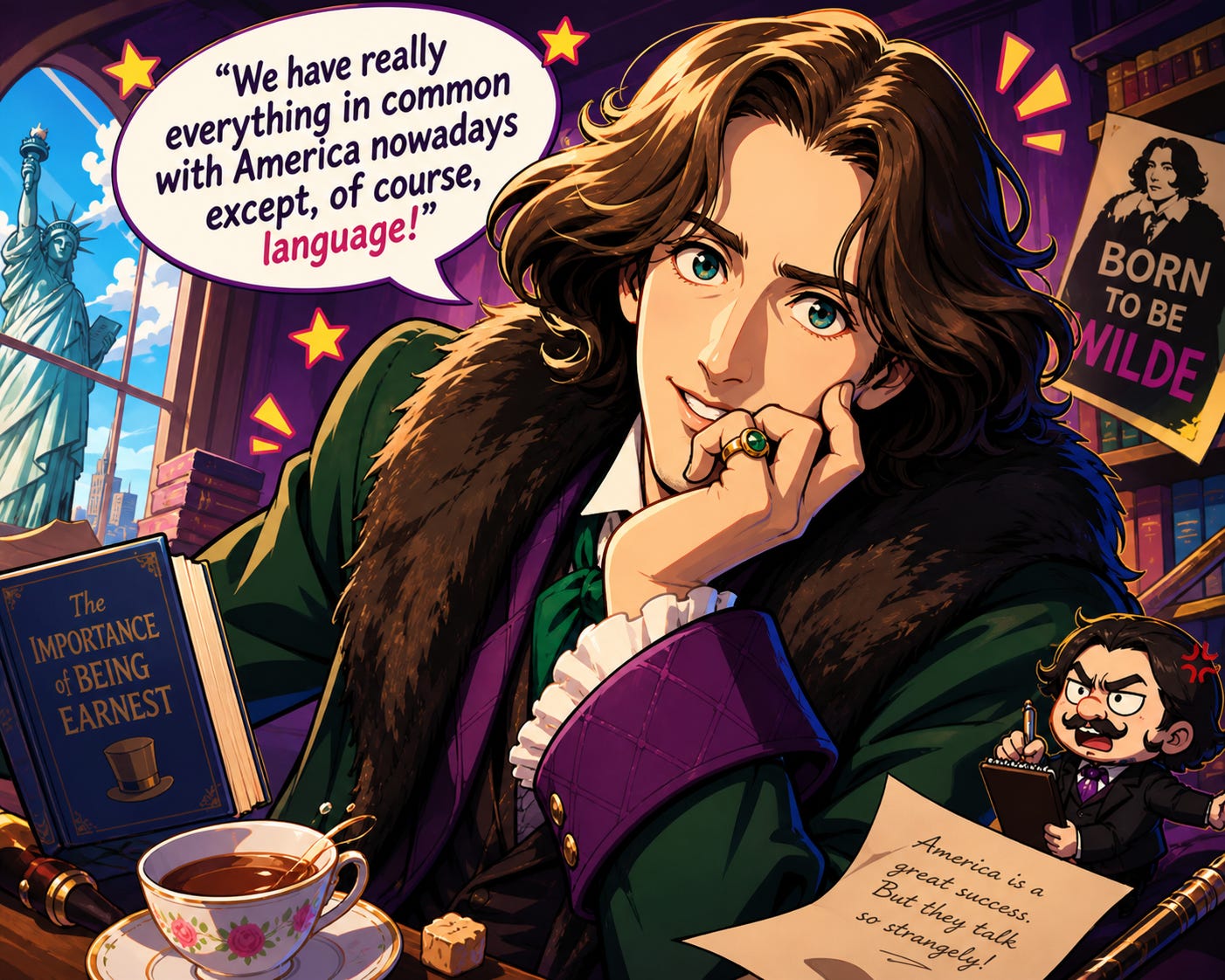
這句話很英式,帶點自嘲,也帶點機智。
我初到英國時,也常有這種感覺。明明大家都說英文,但語氣、用字、幽默、潛台詞,都需要重新學習。語言相同,不等於文化完全相通;而文化不同,也不代表不能彼此理解。
離開,不一定就是斷裂
演說中,查理三世談到美國獨立。他提到那句著名口號:
“no taxation without representation”
「沒有代表,就不納稅。」
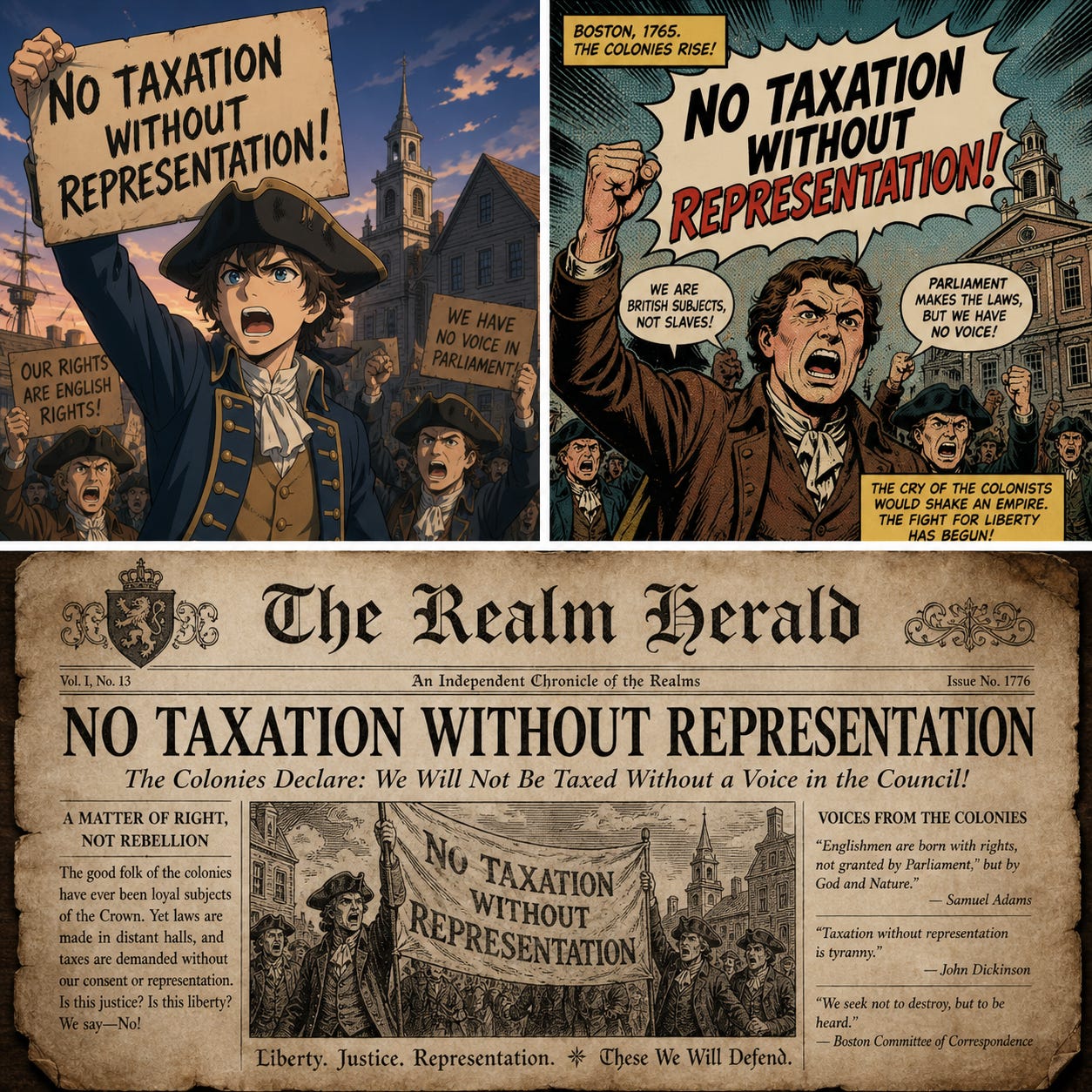
這句話,其實源於18世紀英國對北美殖民地的課稅政策。當時英國政府為了應付戰爭開支,向美洲殖民地徵收印花稅(Stamp Act)等各種稅項,但殖民地居民在英國國會中卻沒有任何代表席位,無法參與決策。於是他們提出抗議:既然沒有代表我們發聲,就不應向我們徵稅。
這本來是英美之間最核心的衝突之一,最終也一步步走向1776年的《獨立宣言》(Declaration of Independence)。
但查理三世的說法,卻很有意思。
他沒有把這段歷史單純描述為對立,而是指出,這種對「代表性」與「權利」的堅持,其實本身也源自英國長久以來的政治傳統。
換句話說,這既是一場分裂,也是一種延續。
這一點很觸動我。
離開香港來到英國,我也曾以為「離開」就是斷裂。但時間久了,才慢慢明白,人其實會把故鄉帶在身上。語言、記憶、價值、信仰,並不會因為一張機票而消失。它們只是換了一片土地,繼續生長。
歷史原來是活的
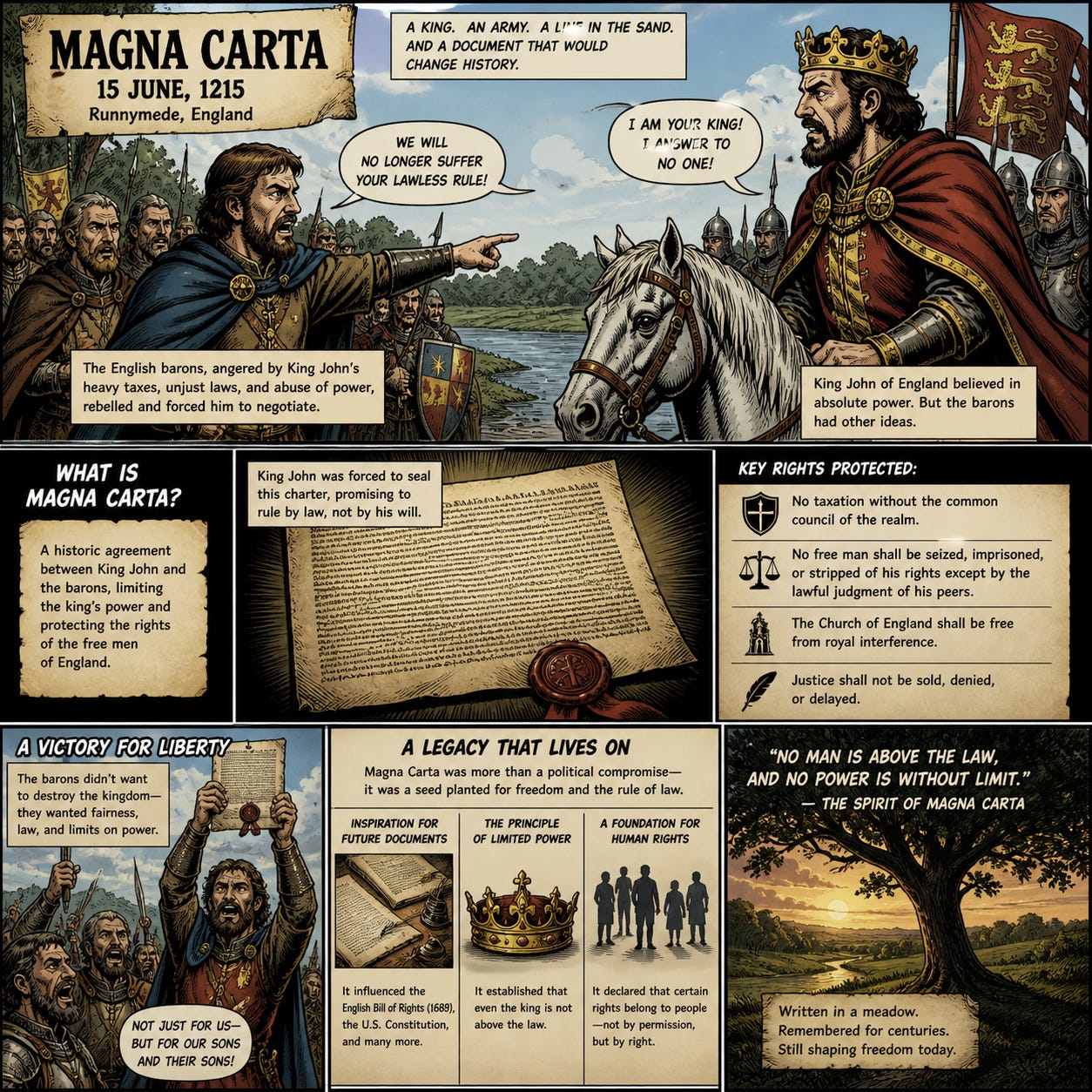
查理三世把英美關係放進一條很長的歷史線裡:1215年的《大憲章》(Magna Carta)、1689年的《權利法案》(Bill of Rights)、1776年的《獨立宣言》(Declaration of Independence),再到1791年的美國《權利法案》(American Bill of Rights)。
他提到美國建國理念中的:
“life, liberty and the pursuit of happiness”
「生命、自由與追求幸福。」
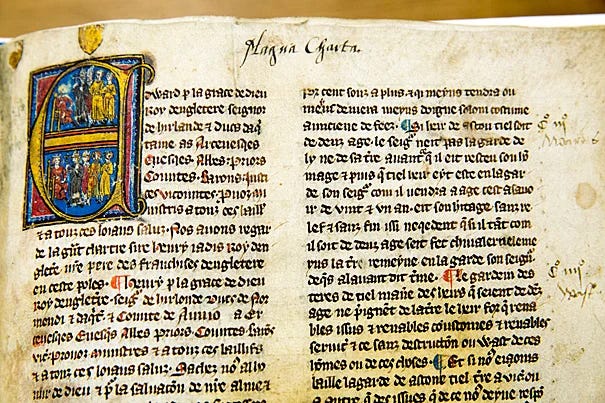
這些字句,以前對我來說,也許只是歷史課本中的名詞。但在英國生活後,我漸漸感受到,這些並不是冰冷的概念,而是仍然影響今日制度與社會的根脈。
他還提到朗尼米德(Runnymede),那是1215年《大憲章》簽署的地方。那裡有一塊紀念石,紀念美國總統甘迺迪,也象徵英美共享自由與法治的傳統。
法律本來很抽象,但當它落在一片土地、一條河流、一塊石碑之上,歷史便變得可以看見,也可以觸摸。
光勝過黑暗:信仰不只是語言,而是盼望
演說中最令我停下來細讀的,是宗教與信仰的一段。
查理三世說:
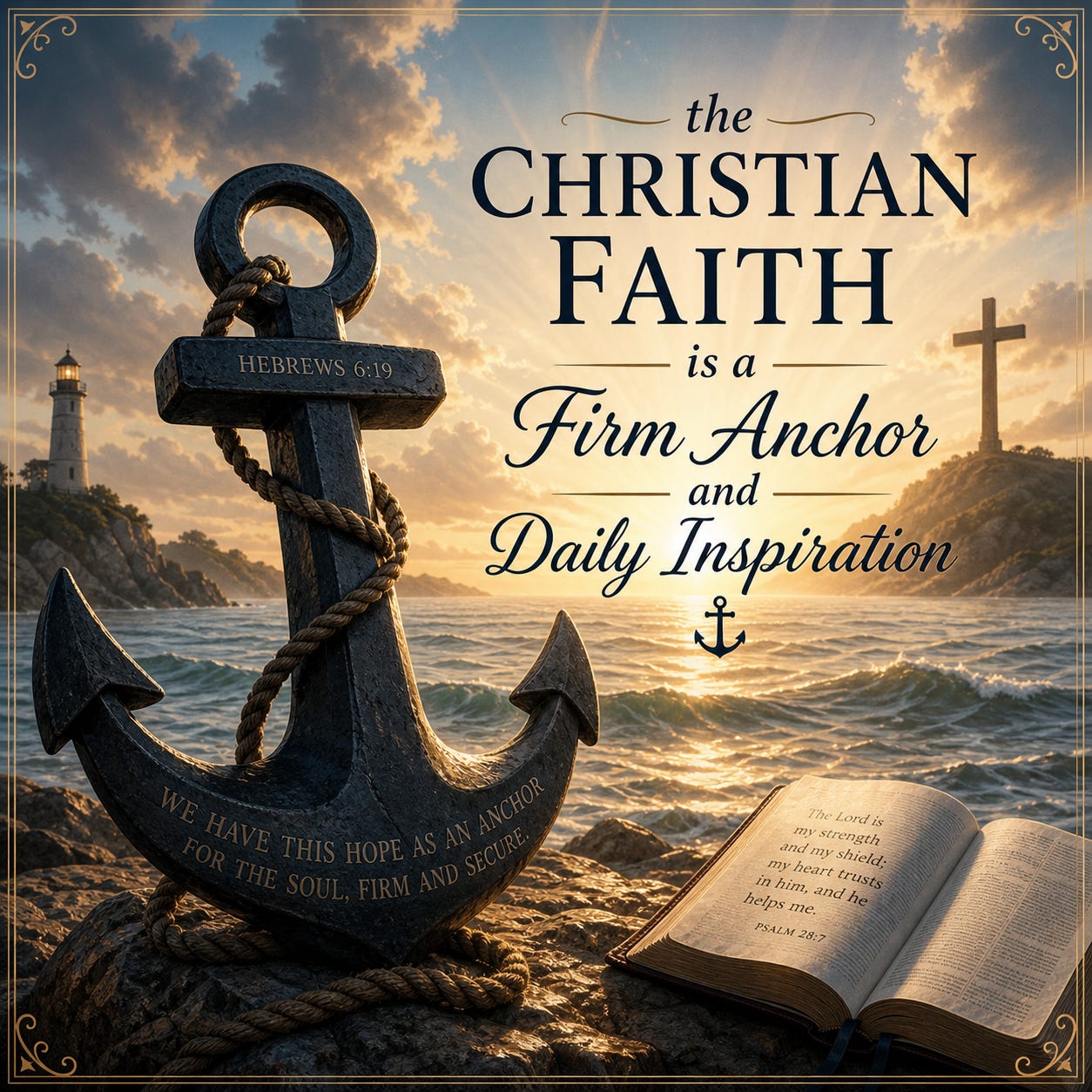
“the Christian faith is a firm anchor and daily inspiration”
「基督信仰是穩固的錨,也是每日的啟發。」
這句話,我很有共鳴。
移民英國後,我仍然繼續返教會。對我來說,教會不只是星期日崇拜的地方,更是我在異鄉重新紮根的屬靈家庭。在那裡,我遇見許多同行的人,有人同樣離開熟悉的地方,有人在生活重擔中仍然服侍,有人默默關心新來的人。
後來有機會參與植堂,我更加深深感受到,這不是人的計劃可以完全掌控的事。當中有困難,有磨合,也有不確定;但一次又一次,我看見上帝的恩典如何在人的軟弱中顯明,如何在一個新的群體裡帶來希望和盼望。
查理三世在演說中提到:
“the triumph of light over darkness”
「光勝過黑暗。」
這不只是漂亮的宗教語言。對經歷過離散、轉變和重新開始的人來說,這句話有很深的重量。黑暗不一定立刻消失,但光已經進來;盼望不一定等於問題即時解決,但人可以因此繼續向前。
他又提到復活節的季節:
“the season of Easter, the season that most strengthens my hope”
「復活節,是最堅固我盼望的季節。」
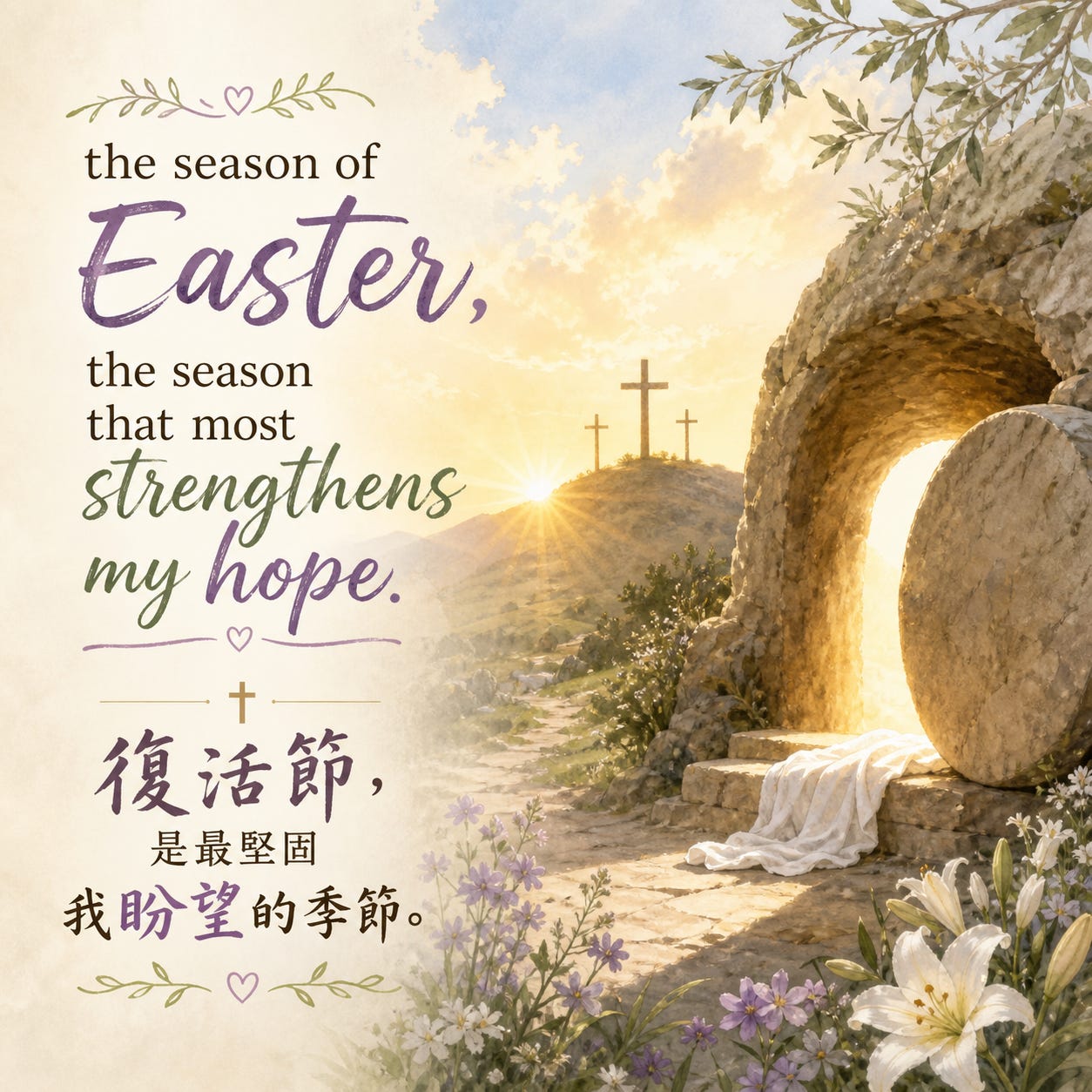
復活節提醒我們,死亡不是終局,黑夜不是最後一句話。這對身在異鄉的人尤其重要。因為移民生活有時像一場漫長的等待:等待適應、等待安定、等待重新明白自己在這裡的位置。但信仰讓我知道,等待不是空白,上帝仍然在其中工作。
「把犁頭變成刀劍」:一個反過來的聖經意象
查理三世還用了很有意思的一句:
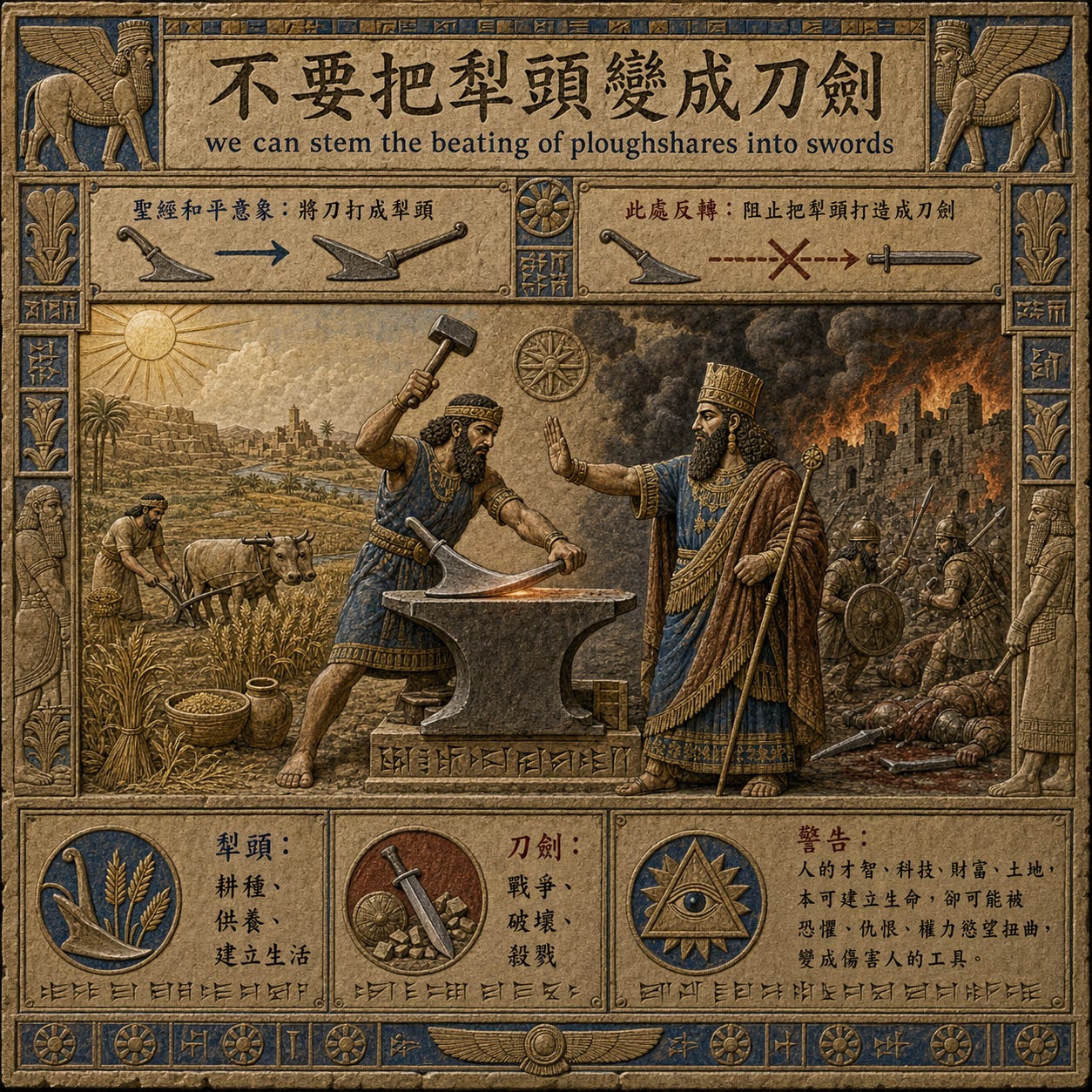
“we can stem the beating of ploughshares into swords”
意思是:我們要阻止人們把犁頭打造成刀劍。
這句話其實反用了聖經中常見的和平意象。原本在《以賽亞書》和《彌迦書》中,是「將刀打成犁頭」,意思是戰爭終止,武器變回耕種工具,世界重新走向和平。
但查理三世在這裡反過來說:「不要把犁頭變成刀劍。」
這個反轉很深刻。
犁頭本來是用來耕種、供養、建立生活的工具;刀劍則象徵戰爭、破壞與殺戮。當世界把犁頭變成刀劍,就是把原本用來滋養生命的資源,重新推向衝突和毀滅。
這不只是在說戰爭,也是在說一種時代危機:人的才智、科技、財富、土地,本來可以用來建立生命,卻可能被恐懼、仇恨和權力慾望扭曲,變成傷害人的工具。
所以這句話聽起來像外交語言,其實背後是一個很深的信仰提醒:真正的和平,不只是停止戰爭,而是讓世界重新學會選擇生命。
蘇格蘭的山與美國的山:原來我們曾經相連
很多移英的香港人都讚嘆英國野外風光很美,尤以蘇格蘭為最。想不到查理三世在演說中亦不忘蘇格蘭的崇山峻嶺。
查理三世說:
“the mountains of Scotland and Appalachia were one; a single, continuous range, forged in the ancient collision of continents.”
「蘇格蘭的山脈與阿帕拉契亞山脈曾經是一體,是一條連綿不斷的山脈,由遠古大陸碰撞所形成。」
這裡所說的,不只是「蘇格蘭的山和美國的山」,而是蘇格蘭山脈與美國東部的阿帕拉契亞山脈(Appalachia / Appalachian Mountains)。
這句話很美。
在國家、邊界、護照出現之前,山脈早已存在;在英國和美國成為兩個國家之前,大地本來就曾經相連。
我讀到這裡,立刻想到「根脈旅途」這四個字。
人也是這樣吧。表面上我們分散各地,有人留在香港,有人來到英國,有人去了加拿大、澳洲、美國;但在更深處,我們仍然有看不見的連結。
歷史不是回望,而是承擔
演說最後,查理三世引用了林肯《蓋茲堡演說》的精神:
“the world may little note what we say, but will never forget what we do”
「世界或許不會太記得我們說過什麼,但永遠不會忘記我們做過什麼。」
這句話放在今日,很值得細想。
無論是國家、教會,還是一個普通移民家庭,真正留下痕跡的,從來不只是我們說過的漂亮說話,而是我們如何生活、如何選擇、如何在困難中仍然持守良善。
結語:在他鄉,看見根與路
讀完這篇演說,我不只是更明白英美關係,也更明白自己身在英國的處境。
移民不是把過去丟掉,而是在新的土地上重新理解自己的根。
在倫敦生活,在教會服侍,在植堂中經歷上帝的恩典,我慢慢看見:人的路雖然會轉彎,但神的帶領並不斷裂。
也許這就是「根脈旅途」最想記錄的事——
我們一邊離開,一邊連結;
一邊回望,一邊前行;
一邊經歷黑暗,一邊相信光仍然得勝。
After arriving in London, I gradually came to realise that history here is not merely a series of dates and events in books. It is hidden in street corners, along the riverbanks, in the tolling of church bells, and even within everyday conversations.
At times, walking beside the Thames and gazing at those ancient buildings, I suddenly feel that what I stand upon is not just a city, but layer upon layer of time.
The day before, I learnt from the news that King Charles III had delivered a speech at a joint session of the United States Congress. Later, after listening to the analysis of commentator To Kit (陶傑) online, I knew it must be an eloquent and richly layered address. So, with the help of AI, I sought to understand it more deeply—and to share it with like-minded readers.
An English Joke That Opens the Door to History
Charles III did not begin with geopolitics. Instead, he quoted the wit of the great British writer Oscar Wilde:
“We have really everything in common with America nowadays except, of course, language!”
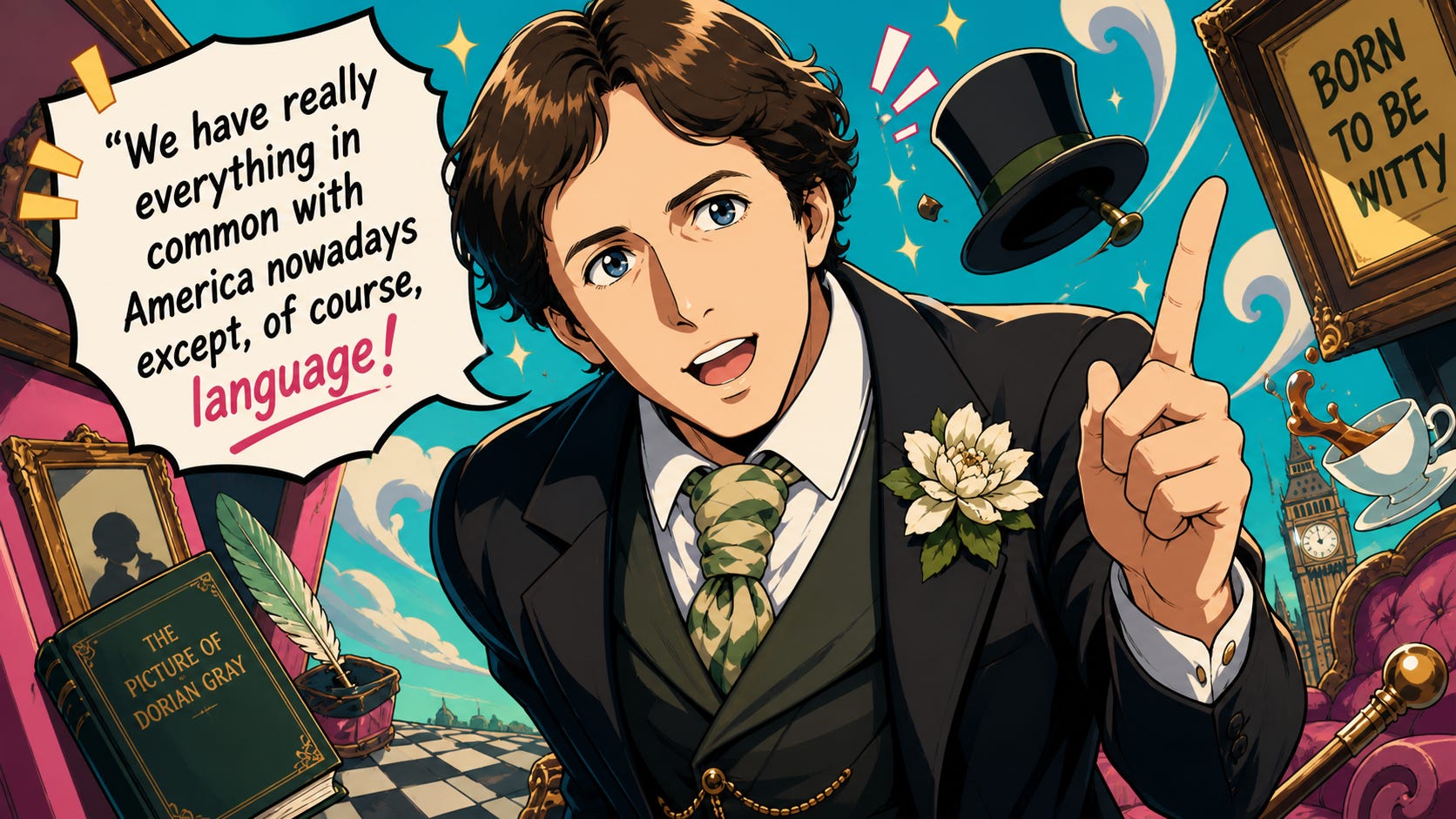
It is a very British line—self-deprecating, yet sharp.
When I first arrived in the UK, I often felt the same. Everyone speaks English, yet tone, vocabulary, humour, and subtext all require relearning. Sharing a language does not mean sharing a culture; and cultural differences do not mean mutual understanding is impossible.
Leaving Does Not Always Mean Severance
In the speech, Charles III spoke of American independence, referencing the famous slogan:
“no taxation without representation”
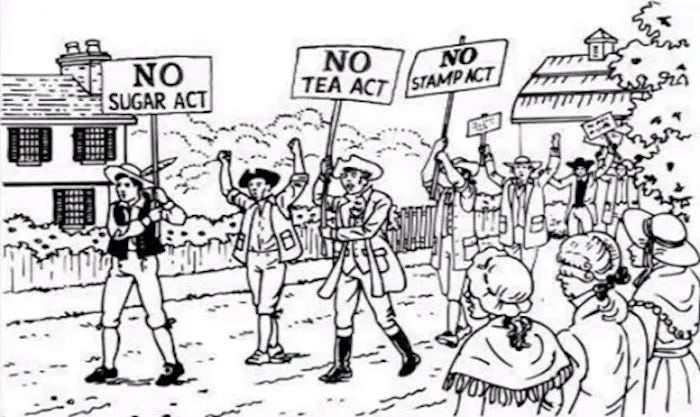
This phrase, in fact, originated from Britain’s taxation policies towards its North American colonies in the eighteenth century. At the time, the British government, seeking to cover the costs of war, imposed various taxes on the American colonies, including the Stamp Act. However, the colonists had no seats in the British Parliament and thus no voice in decision-making. They protested: if there was no representation to speak on their behalf, then they should not be taxed.
This became one of the central conflicts between Britain and America, eventually leading step by step to the Declaration of Independence in 1776.
Yet Charles III’s framing is particularly thought-provoking.
Rather than portraying this history simply as a confrontation, he pointed out that the insistence on “representation” and “rights” itself grew out of Britain’s long-standing political traditions.
In other words, it was both a rupture and a continuation.
That idea resonates deeply with me.
When I left Hong Kong for the United Kingdom, I once thought that “leaving” meant a clean break. But over time, I have come to understand that people carry their homeland with them. Language, memories, values, and beliefs do not vanish with a plane ticket; they simply take root in different soil and continue to grow.
History Is Alive
Charles III placed Anglo-American relations within a long historical arc: the Magna Carta of 1215, the Bill of Rights, the Declaration of Independence, and the American Bill of Rights of 1791.
He referenced the founding ideals of the United States:
“life, liberty and the pursuit of happiness”
These once felt like abstract textbook phrases. Yet living in Britain, I have come to see them as living roots that still shape modern institutions and society.
He also mentioned Runnymede, where Magna Carta was sealed. There stands a memorial to John F. Kennedy, symbolising a shared tradition of liberty and the rule of law.
Law can seem abstract, but when anchored to land, river, and stone, history becomes visible—and tangible.
Light Overcomes Darkness: Faith as Living Hope
The most striking part of the speech for me was on faith.
Charles III said:
“the Christian faith is a firm anchor and daily inspiration”
This resonated deeply.
Since immigrating, I have continued attending church. For me, it is not merely a place of Sunday worship, but a spiritual family where I have begun to take root again in a foreign land. There, I meet others on similar journeys—some who have also left home, some who serve despite life’s burdens, some who quietly care for newcomers.
Later, I had the opportunity to be involved in church planting. I realised even more that such work cannot be fully controlled by human planning. There are challenges, adjustments, and uncertainties. Yet time and again, I see how God’s grace is revealed through human weakness, bringing hope into a new community.
Charles III also spoke of:
“the triumph of light over darkness”
This is not merely poetic religious language. For those who have experienced displacement, change, and new beginnings, it carries real weight. Darkness may not vanish instantly, but light has already entered. Hope does not always mean immediate resolution—but it enables us to keep going.
He added:
“the season of Easter, the season that most strengthens my hope”
Easter reminds us that death is not the end, and night is not the final word. For those living abroad, this is especially meaningful. Immigration can feel like a long season of waiting—waiting to adapt, to settle, to rediscover one’s place. Yet faith reminds me that waiting is not empty; God is still at work within it.
“Turning Ploughshares into Swords”: A Reversed Biblical Image
Charles III used a striking phrase:
“we can stem the beating of ploughshares into swords”
This reverses the familiar biblical imagery found in Book of Isaiah and Book of Micah, where swords are beaten into ploughshares—a vision of peace.
Here, he warns against the opposite: turning tools of cultivation into instruments of war.
The reversal is profound.
Ploughshares represent nurture and sustenance; swords symbolise destruction. When a society transforms the former into the latter, it redirects life-giving resources towards conflict.
This is not only about war, but about a broader crisis: human ingenuity, technology, wealth, and land—meant to sustain life—can be distorted by fear, hatred, and the pursuit of power.
True peace is not merely the absence of war; it is the conscious choice to sustain life.
Scotland’s Mountains and America’s Mountains: Once One
Charles III also spoke of geography:
“the mountains of Scotland and Appalachia were one; a single, continuous range, forged in the ancient collision of continents.”
He was referring to the connection between Scotland’s Highlands and the Appalachian Mountains.
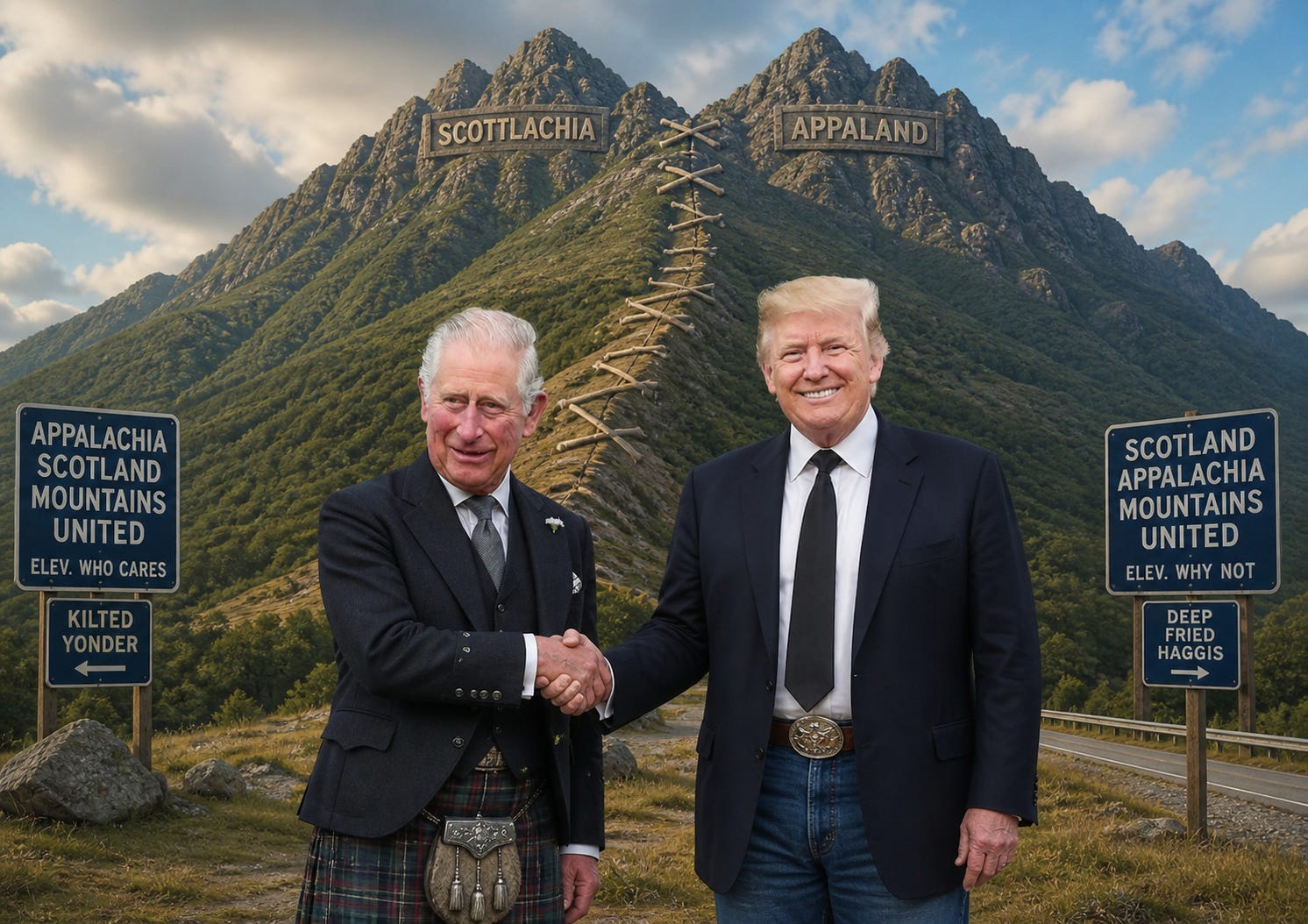
This is a beautiful image.
Before nations, borders, and passports, these mountains were already one. Before Britain and America became separate countries, the land itself was connected.
Reading this, I thought of the phrase: a journey of roots.
We, too, are like this. Though scattered across the world—some in Hong Kong, some in Britain, others in Canada, Australia, or the United States—we remain connected at a deeper level.
History Is Not Just Remembered—It Is Carried Forward
Towards the end, Charles III echoed the spirit of Abraham Lincoln’s Gettysburg Address:
“the world may little note what we say, but will never forget what we do”
This is worth reflecting on today.
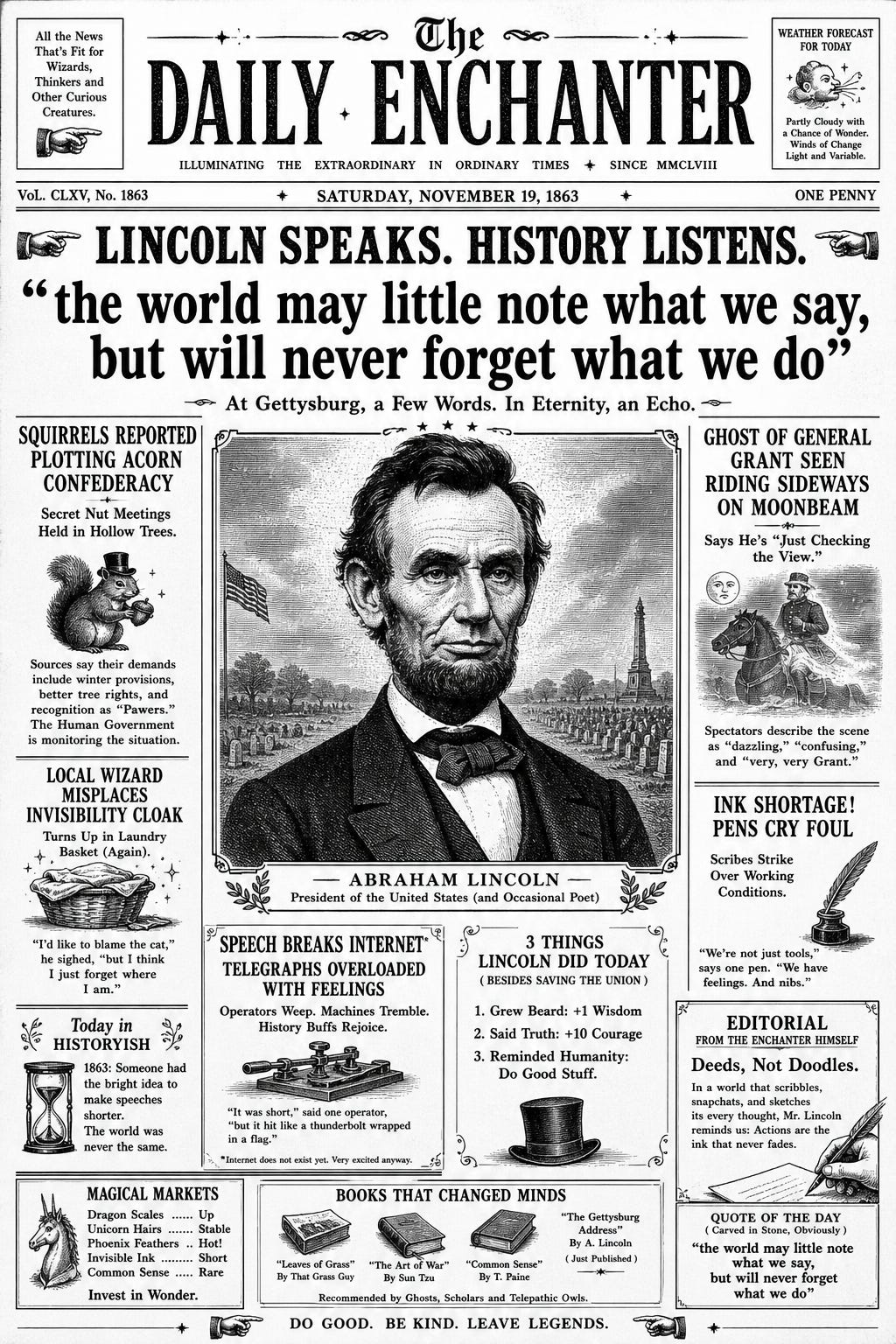
Whether for nations, churches, or ordinary immigrant families, what endures is not eloquent words, but how we live—our choices, and how we hold on to goodness in difficult times.
Conclusion: Seeing Roots and Paths in a Foreign Land
After reading this speech, I not only understood Anglo-American relations more deeply, but also my own place in Britain.
Immigration is not about discarding the past, but rediscovering one’s roots in new soil.
Living in London, serving in church, and witnessing God’s grace through church planting, I am beginning to see: while our paths may turn, God’s guidance does not break.
Perhaps this is what a “journey of roots” seeks to record—
We leave, yet remain connected;
We look back, yet move forward;
We walk through darkness, yet continue to believe that light prevails.
''we can stem the beating of ploughshares into swords”用得好美!多謝仔細分析演說